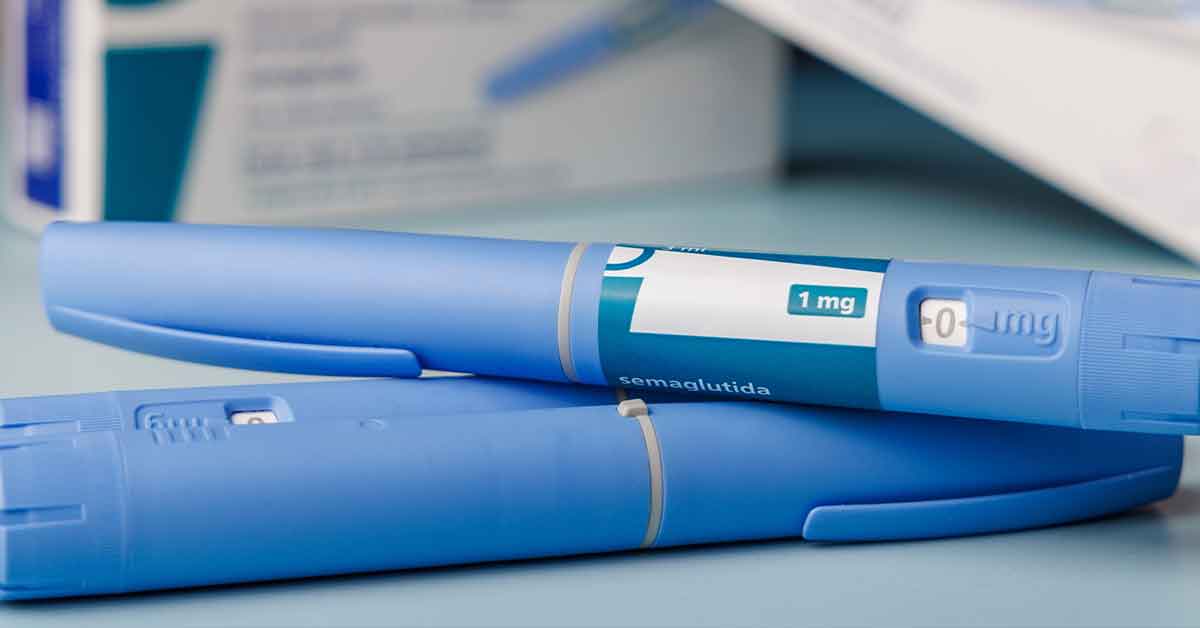
The Importance of Monitoring Storage Temperature for GLP-1 Medications
Glucagon-like peptide-1 (GLP-1) therapies such as semaglutide have transformed the treatment landscape for obesity and type 2 diabetes. However, their effectiveness depends not only on proper prescribing and use, but also on maintaining strict environmental conditions throughout their lifecycle. Among these, temperature control during storage and transport is one of the most critical factors.
The Challenge of Storage and Transport f GLP-1
GLP-1 medications, particularly semaglutide-based formulations, belong to a class of biologic drugs that are inherently sensitive to environmental conditions. Unlike more stable small-molecule drugs, they can degrade when exposed to unsuitable temperatures. For this reason, they must be kept within a narrow temperature window—typically between 2°C and 8°C (ref).
Even brief exposure to temperatures outside 2-8ºC can compromise semaglutides integrity. This degradation may reduce its therapeutic effectiveness or, in some cases, make it unsuitable for patient use. The risk is especially significant given the complexity of modern pharmaceutical supply chains, which often involve long-distance transportation, multiple handling points, and varying storage environments.
Maintaining this controlled temperature range throughout the ‘cold chain’, is essential from the point of manufacture all the way to the patient. Any disruption along this chain, whether during shipping, storage at pharmacies, or handling at home, can undermine the reliability of the medication.
Risks of Temperature Fluctuations of Peptide Shipments
Breakdowns in temperature control can occur for many reasons. Delays in logistics, inadequate refrigeration, or improper handling practices may all lead to temperature excursions. These incidents are not always visible, making them particularly dangerous.
For patients relying on GLP-1 therapies, such failures can have real consequences. Reduced drug potency may lead to poorer glycaemic control or diminished weight loss outcomes. In addition, healthcare providers may be unaware that a medication has been compromised, potentially affecting treatment decisions.
Temperature Monitoring as a Solution for GLP-1 Deliveries
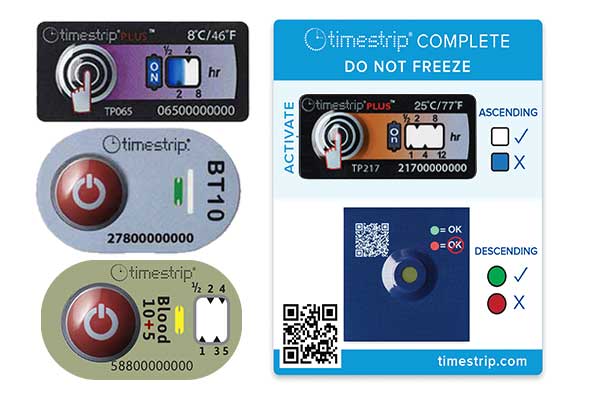
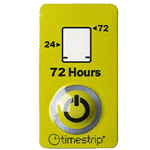
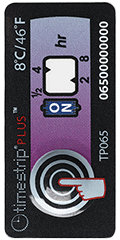
To mitigate these risks, effective temperature monitoring systems are essential. One increasingly practical solution is the use of compact, single-use devices such as Timestrip temperature indicators that provide a clear and immediate visual signal when storage conditions have been breached.
These indicators are designed to track specific temperature ranges and so can identify excessive heat exposure and accidental freezing, two key threats to biologic stability. Once activated, they continuously monitor temperature over a defined period, ensuring that any deviation from recommended conditions is easily identifiable through irreversible alerts.
Advantages of Modern Indicator Technologies
Timestrip temperature indicators offer several important benefits:
- Continuous oversight: They track temperature conditions in real time, capturing both high and low excursions.
- Ease of use: Simple activation and clear visual feedback make them accessible to logistics staff, healthcare professionals and patients alike.
- Affordability: Compared with more complex electronic data loggers, these devices are cost-effective and suitable for large-scale use down to pack level.
Monitoring Temperature Across the GLP-1 Supply Chain
One of the key strengths of temperature indicators is their versatility. They can be incorporated directly into product packaging during distribution, enabling real-time monitoring throughout transport. At the pharmacy level, staff can quickly verify whether storage conditions have been maintained. Patients, too, can use these indicators at home to ensure their medication remains safe to use.
This end-to-end visibility significantly reduces the risk of unnoticed temperature excursions and helps preserve the quality of the medication at every stage.
Future of Shipping GLP-1 Therapies
As the use of GLP-1 therapies continues to grow globally, ensuring their safe and effective delivery becomes increasingly important. Temperature control is not a minor logistical detail, it is a fundamental requirement for maintaining drug quality.
By combining robust cold chain practices with Timestrip accessible monitoring technologies, healthcare systems can better protect these sensitive medications. In doing so, they help ensure that patients receive treatments that are both safe and fully effective, ultimately supporting better clinical outcomes.
Ref: https://www.healthline.com/health/weight-loss/semaglutide-storage