
The Point-of-Use Filter Trap: When ‘Clean’ Water Goes South
The water filter is the centrepiece of many modern kitchens. Consumers buy them for peace of mind, thinking that as long as the water passes through that plastic pitcher or fridge dispenser, it’s pure.
In 2022, the global water purifier market was worth an estimated $30bn (£24bn); and it's expected to grow more than 7% by 2030 (refs. 1, 2).
But there is a hidden expiration date on that safety, and that ‘clean’ water might be dirtier than what’s coming out of the tap.
The False Sense of Security of Water Filters
Most of us treat ‘point of use’ water filters like smoke detector batteries, we know we should change them, but we wait for some sort of prompt. According to recent health data, nearly 40% of households are currently using expired filters (ref. 3).
Here is what is actually happening inside filter casings:
- The Carbon Saturated Point: Most filters use activated carbon to capture contaminants like lead, mercury and chlorine. Once every nook and cranny of that carbon is filled, it can't hold anymore.
- The "Dump" Effect: In some cases, a saturated filter can actually leach chemicals back into the water in higher concentrations than the original tap water.
- Biofilm Breeding Grounds: Filters trap organic matter. When left sitting in a moist environment, they can become a breeding ground for bacteria like Pseudomonas and Coliform.
The "Ick" Factor: Biofilm
An old filter could be thought of as a kitchen sponge you’ve used for six months straight. It may not just be failing to clean, it could be actively colonizing. Essentially bacterial soup is brewing every time you pour a glass.
While most of these bacteria won't be especially harmful to a healthy adult, they can cause:
- Gastrointestinal upset (nausea or cramping).
- Metallic or "musty" tastes that ruin your morning coffee.
- Skin irritation if the water is used for washing.
How to Protect Your Household
You don't need a degree in chemistry to keep your water safe. Follow the "Three C's":
- Check. Don't trust your eyes. Clear water can still be contaminated. Check the manufacturer's filter replacement recommendations.
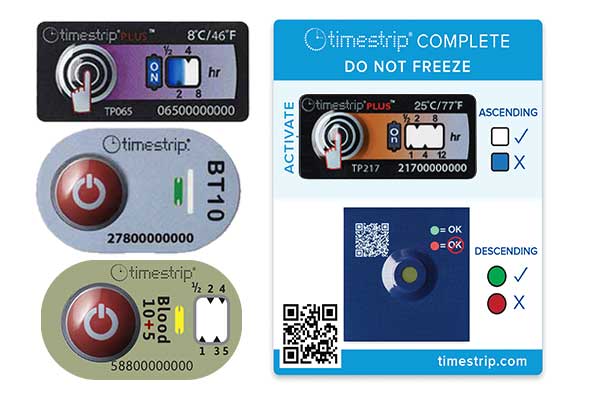
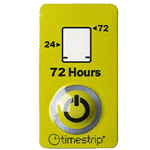
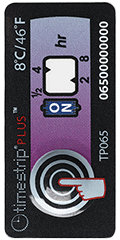
- Calendar. Use Timestrip time indicators to monitor the time expired since the last filter change. The replacement cycle will be provided by the filter manufacturer when the filter is supplied.
- Clean. When you change the filter, scrub the pitcher or housing with warm, soapy water to remove any lingering biofilm.
Timestrip indicators are simple reliable tools to track elapsed time and provide clear irreversible alerts when a set period has passed. These small adhesive labels are equipped with time-sensitive technology that visually communicate when it's time to replace a filter.
Liquid-based indicators are simple, reliable and provide an irreversible visual indication of time elapsed using colour change chemicals sealed in the indicator. Electronic ones such as the Timestrip neo are more accurate and provide a visual indication via LED lamps. Both types are very small, light and cost effective for a wide range of products.
Advantages and Benefits of Filter Change Reminders
The advantages of Timestrip indicators are clear for both users and filter suppliers:
- Health and wellbeing: Ensuring clean water and air is vital for our health. Timestrip indicators contribute to a healthier living environment by preventing the use of ineffective filters.
- User friendly: Timestrip indicators are easy to use and understand, needing no technical knowledge nor complex setup.
- Accurate and reliable: The indicators are designed to reflect actual usage and conditions, ensuring accurate reminders.
- Cost effective: Regular filter replacements can prolong the lifespan of equipment, potentially saving homeowners from expensive repairs or replacements.
- Filter replacement represents a valuable revenue stream for the manufacturer, and maintains a positive customer relationship.
Ref 1 ZME Science April 2026
Ref 2 BBC Future