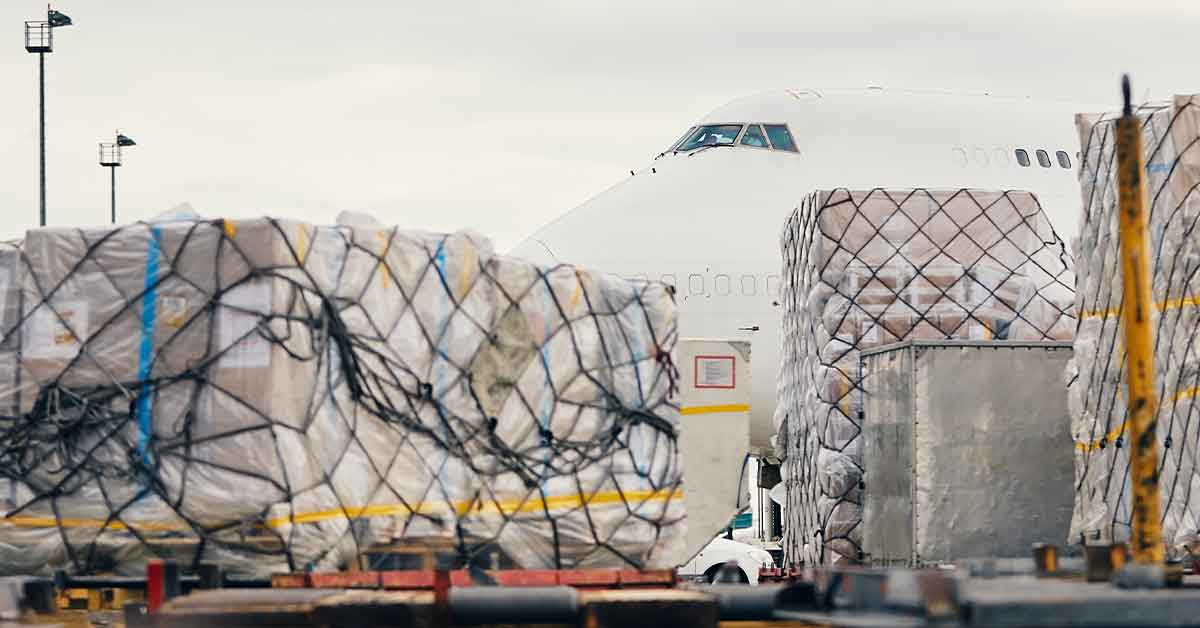
Temperature Monitoring in Freight Disruptions
The escalating conflict in the Middle East is beginning to ripple through global logistics networks, with airlines re-routing or cancelling flights across large parts of the region. Airspace closures, security concerns and attacks near major aviation hubs are already causing widespread disruption to passenger and cargo operations.
Recent reports note that key transit hubs in the Gulf have faced shutdowns or partial closures following missile and drone strikes, forcing airlines and freight operators to divert flights and search for alternative routes. Ref. 1
For the air cargo industry, the consequences are immediate. The Middle East is one of the world’s most important aviation corridors, connecting Asia, Europe and Africa through a network of major hub airports. When these routes become inaccessible or unsafe, aircraft must take longer detours or cancel services entirely. The result is reduced cargo capacity, higher freight rates and significant delays to shipments that rely on rapid transit.
While these logistical challenges are costly in themselves, another serious risk is often less visible: the potential for goods to be exposed to elevated temperatures or extended transit times. For industries that depend on tightly controlled supply chains, even short temperature excursions can compromise product quality, safety or compliance.
The hidden temperature risk in disrupted supply chains
Many global products rely on a cold chain or controlled temperature environment during transport. Pharmaceuticals, vaccines, biologics, blood products, fresh food, chemicals and certain industrial materials must all remain within specific temperature ranges throughout their journey.
Under normal conditions, modern air freight networks move these goods quickly between origin and destination, reducing the risk of temperature exposure. But when routes are diverted or flights cancelled due to geopolitical events, shipments may spend longer on the ground at intermediate hubs, sit in temporary storage or wait for rebooking onto alternative aircraft.
Current disruptions in the Middle Eastern airspace are already forcing airlines to fly longer routes and reduce cargo capacity, increasing the likelihood of delays for time-sensitive shipments.
Shipping delays can have several consequences:
- Temperature excursions during transit – goods may warm up or cool down beyond acceptable limits.
- Extended dwell times at airports or warehouses – increasing exposure to ambient conditions.
- Handling disruptions – repeated loading, unloading or rerouting increases risk.
- Loss of visibility in complex logistics chains – making it harder to determine whether a product has remained within specification.
For certain products, this can mean the difference between a shipment being usable or becoming waste.
Why temperature control matters during shipping
Temperature stability is critical for many high value goods. Vaccines and biologic medicines, for example, can rapidly degrade if exposed to temperatures outside their recommended storage range. Fresh food products may spoil or lose quality, while chemicals and industrial materials can become unstable or ineffective.
Even short periods of elevated temperature can reduce product shelf life or effectiveness. In pharmaceutical logistics, regulatory authorities often require proof that products have been maintained within strict temperature limits throughout transport. If that evidence is unavailable, shipments may need to be discarded as a precaution.
The current global logistics environment highlights just how vulnerable these supply chains can be. When geopolitical events force rerouting or create congestion at logistics hubs, maintaining reliable temperature control becomes much more challenging.
Monitoring the cold chain during freight shipments
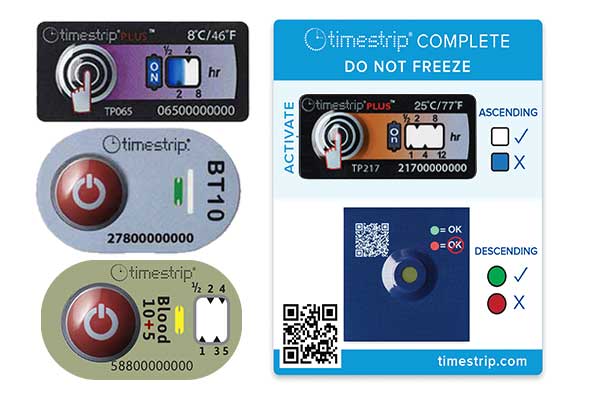
One of the most effective ways to manage this risk is through the use of Timestrip time and temperature indicators that travel with the shipment. These devices provide a simple visual confirmation of whether goods have been exposed to unacceptable conditions during transit.
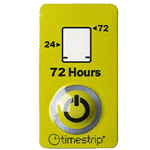
Timestrip indicators are small, self-contained devices that can be attached directly to packages, cartons or pallets to monitor environmental conditions throughout a shipment.
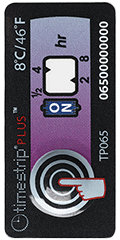
For example, the Timestrip PLUS indicator range records the cumulative time a product has been exposed to temperatures above a predefined threshold. When a shipment experiences a temperature breach, a coloured dye begins to move across a viewing window, providing a clear and irreversible indication of the event and its duration. This approach provides several advantages in disrupted logistics environments:
Immediate visual verification
Unlike electronic data loggers that must be connected to software to retrieve results, indicators can be read instantly by anyone in the supply chain. At a glance, warehouse staff, customer executives or end users can determine whether temperature limits have been exceeded.
Monitoring cumulative exposure
Temperature excursions often occur in multiple short events rather than one long exposure. Indicators track the cumulative time above the threshold temperature, giving a more accurate picture of potential product degradation.
Traceability and accountability
Many indicators include unique serial numbers, allowing shipments to be tracked and verified within quality assurance systems.
Cost-effective monitoring
Because indicators are small, disposable and inexpensive, they can be placed at multiple points within a shipment rather than only on large containers. This makes it easier to identify ‘temperature pockets’ within pallets or cargo holds.
Building resilience in uncertain times
Geopolitical disruptions like the current Iran-focused conflict are a reminder that global supply chains are highly interconnected and sensitive to sudden shocks. Air freight routes that normally carry thousands of tonnes of cargo every day can quickly become constrained by security risks, airspace closures or attacks on infrastructure.
For businesses shipping temperature-sensitive goods, resilience depends on both logistics planning and monitoring technology. Diversified routing strategies, buffer stock and contingency planning all play a role. But equally important is the ability to verify that products have remained within their safe operating conditions, even when shipments take unexpected routes or experience delays.
By providing clear, irreversible evidence of temperature exposure, Timestrip liquid-based and electronic temperature and time indicators help companies maintain confidence in their supply chains and avoid unnecessary product losses.
As global transport networks continue to adapt to the evolving geopolitical situation, tools that provide visibility and assurance will become increasingly valuable. Timestrip indicators enable businesses to safeguard product quality and compliance even in the face of unpredictable logistics disruptions.
To learn more about time and temperature monitoring technologies for supply chains, contact us.