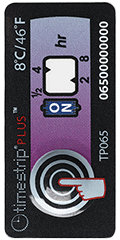
Temperature Indicators
No equipment. No downloads. No training required.
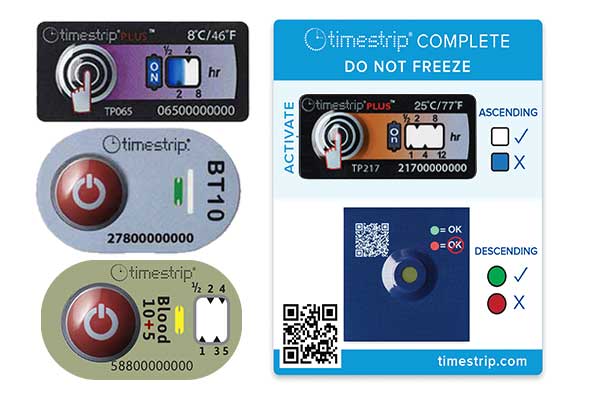
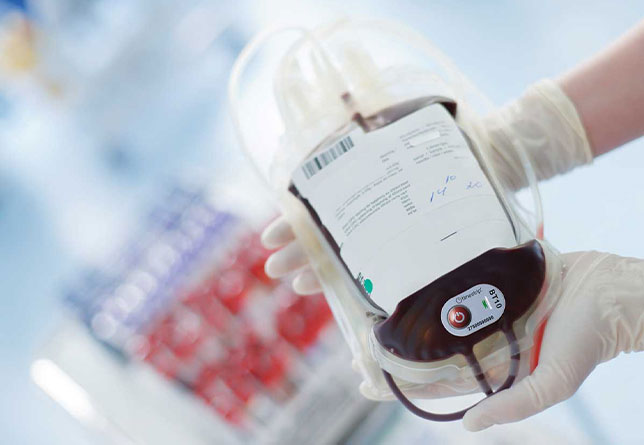
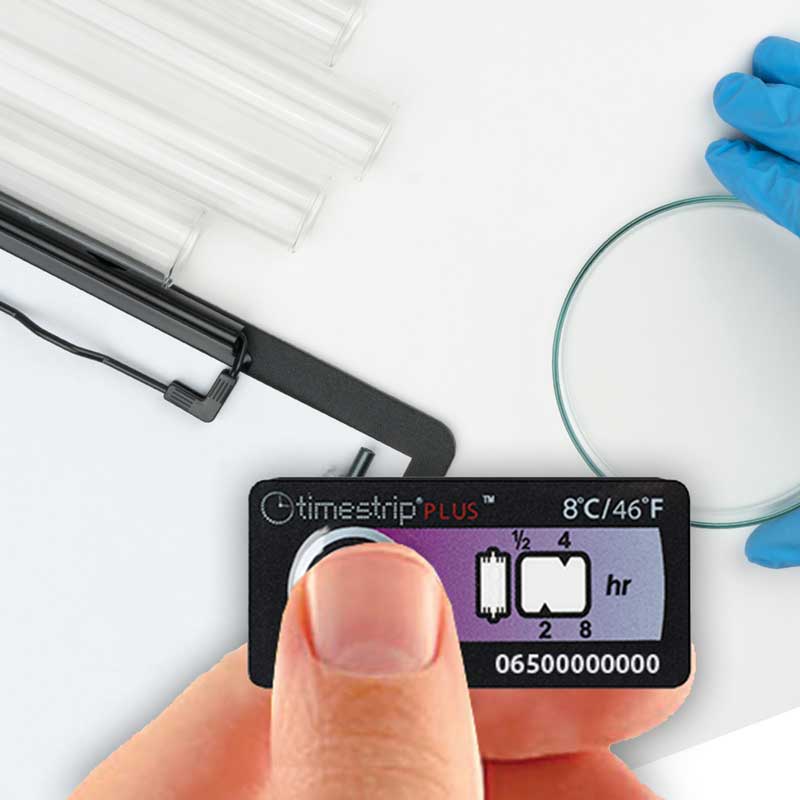
See our Temperature Indicators
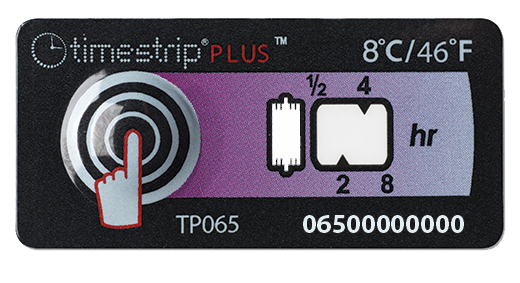
Timestrip PLUS
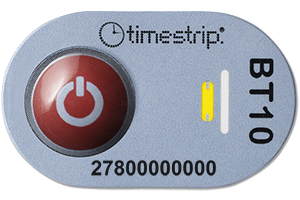
Blood Temp
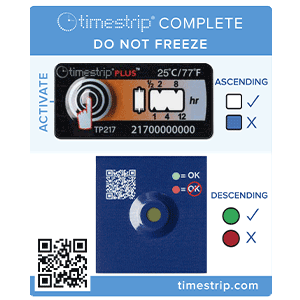
Timestrip Complete
What Is a Temperature Indicator?
A temperature indicator is a device applied directly to a product or its packaging to provide a visible, auditable record of whether that product has been exposed to damaging temperatures during storage or transit.
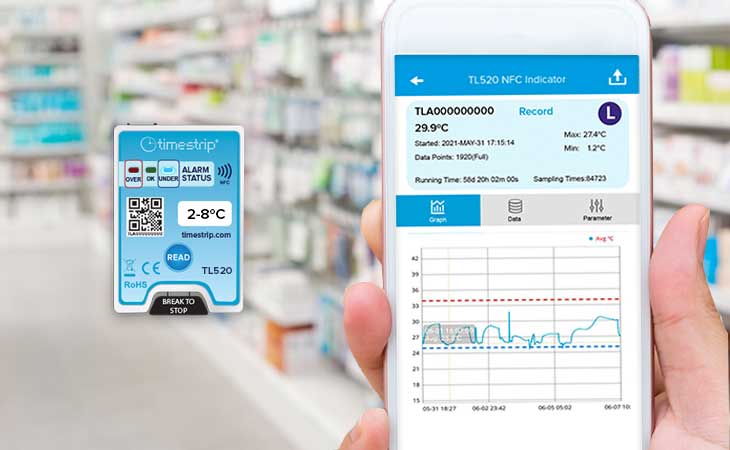
Unlike a thermometer — which shows only the current temperature at the moment of reading — a temperature indicator captures and displays the history of thermal exposure. The best temperature indicators, like the Timestrip range, show not just whether a breach occurred, but how long it lasted and whether it was cumulative across multiple excursion events.
Temperature indicators are used wherever products have strict thermal stability requirements: pharmaceutical cold chains, vaccine distribution, blood product logistics, food safety, clinical sample transport, and industrial chemical storage. They are a critical component of any compliance programme that must demonstrate, at the point of delivery or use, that a product has remained within its approved temperature range.
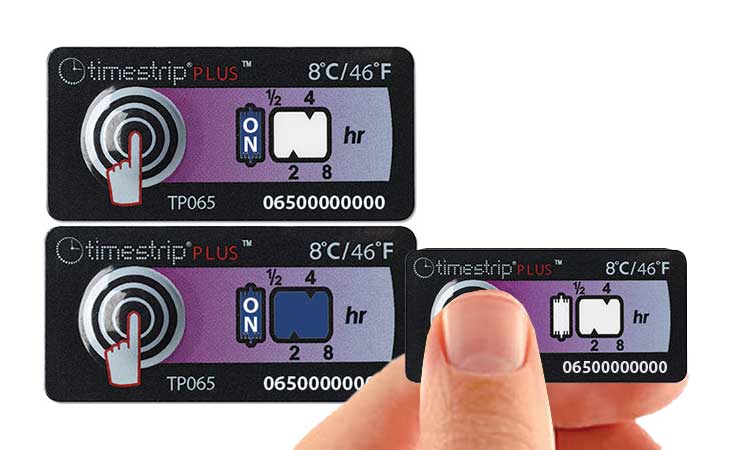
Why Choose a Timestrip Temperature Indicator?
Where Are Temperature Indicators Used?
Temperature Indicator vs. Data Logger
Data loggers capture a full timestamped temperature profile and is well-suited to high-value outer shipments requiring a complete audit trail. However, loggers are expensive, must be retrieved and connected to software to be read, and are impractical at the individual product or carton level.
Temperature indicators like the Timestrip range is single-use, battery-free and instantly readable by anyone — from warehouse operative to end recipient. It answers the most critical question at the point of use: has this product been out of temperature range, and if so, for how long?